Streamlining Strategy: A Practical Guide to Cyber Security Infographic Templates
In the realm of digital protection, clarity is often the first casualty. For professionals, educators, and business owners, communicating complex security protocols to a non-technical audience is a persistent challenge. This is where cyber security infographic templates transition from being a mere design asset to a critical workflow tool. They serve as a bridge between intricate technical data and actionable understanding, allowing you to plan, educate, and execute security strategies with visual precision.
The Role of Visual Planning in Security Workflows
Effective security is proactive, not reactive. Integrating a cyber security infographic template into your process begins long before an incident occurs. Think of it as a visual planning document. For a small business owner, it can map out the chain of command during a data breach. For an IT manager, it can outline the steps of a new employee onboarding security checklist. The template provides a pre-structured framework, ensuring you consider all critical components—like asset inventory, threat identification, and response protocols—without starting from a blank page. This structured approach saves hours of planning time and reduces the risk of oversight.
Before the Project: Laying the Visual Foundation
Before launching a new security initiative, such as migrating to a new cloud platform or rolling out mandatory training, use an infographic template to draft the project scope. A process-oriented template helps you visually sequence the rollout phases, define stakeholder responsibilities, and communicate the timeline. This visual draft becomes a powerful alignment tool during initial meetings. It’s far more effective than a dense text document for getting buy-in from marketing, HR, and executive teams who need to understand their role in the security ecosystem. The template acts as a common visual language, ensuring everyone starts with the same understanding of the project's architecture.
Integration and Practical Implementation
The true value of these templates is realized in their seamless integration into existing tools and routines. They are not standalone products but connectors within your broader productivity system.
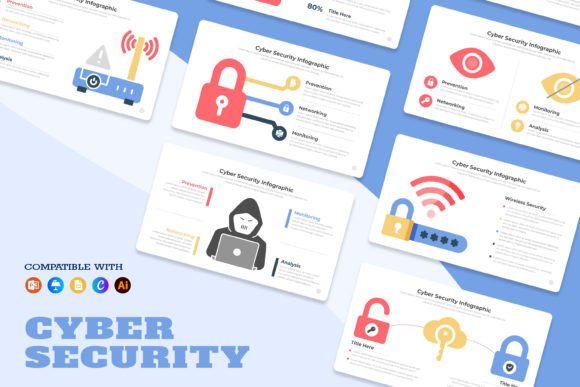
- Compatibility with Presentation Software: Most high-quality templates are designed for tools like Microsoft PowerPoint, Google Slides, or Canva. This means your finalized security infographic can be directly embedded into a quarterly business review deck, a client proposal, or an internal training module without conversion headaches.
- Collaboration and Feedback Loops: When stored on a shared drive or cloud platform, the template becomes a live document. Team members from legal, compliance, and IT can simultaneously add their input, suggest edits, and annotate specific sections. This turns the creation process into a collaborative risk assessment session, capturing diverse perspectives in one visual artifact.
- Asset Management and Consistency: For agencies or departments creating multiple security materials, using a consistent set of templates ensures brand and message alignment. Your incident response infographic will share the same visual language as your phishing awareness guide, building a recognizable and trustworthy internal communications suite.
Choosing the Right Template for the Task
Not all templates are created equal, and selecting the right one is a matter of matching form to function. Your choice should be dictated by your audience and your objective.
- For High-Level Awareness: Opt for a simple, icon-driven infographic. These are perfect for breakroom posters, email newsletters, or quick social media posts. They focus on a single, clear message, like "5 Signs of a Phishing Email," and are designed for immediate comprehension.
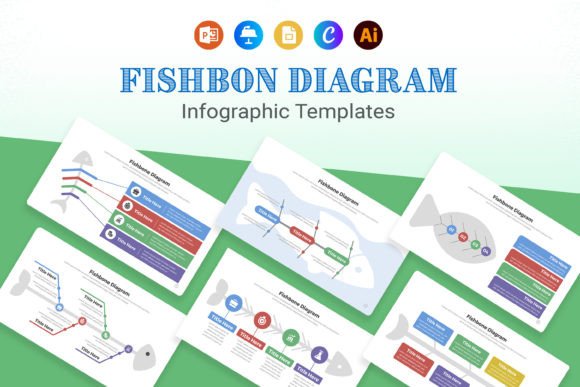
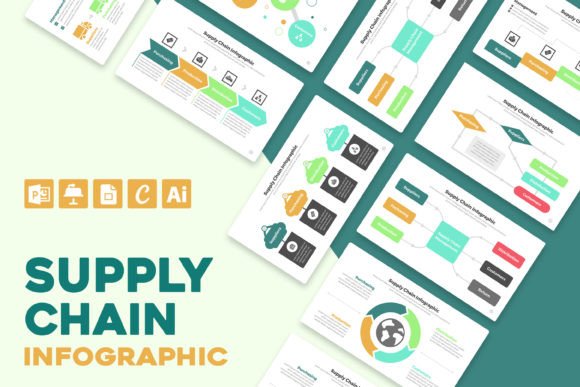
- For Detailed Process Documentation: Choose a flowchart or timeline-style template. These are ideal for mapping out the multi-stage steps of a security audit, the lifecycle of a vulnerability patch, or the detailed phases of a disaster recovery plan. They provide the necessary depth for technical teams and auditors.
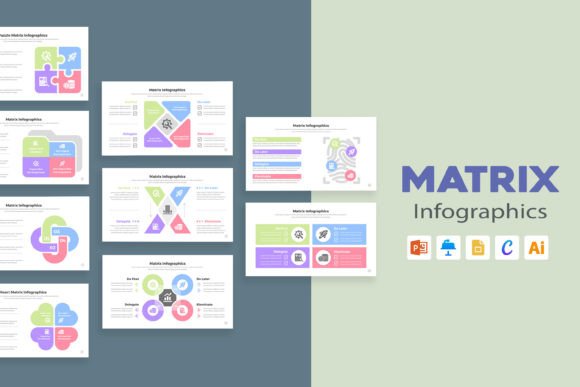
- For Comparative Analysis: Use a matrix or comparison chart template. These are excellent for evaluating different security software solutions, contrasting pre- and post-implementation security postures, or breaking down the features of various encryption standards.
From Template to Actionable Intelligence
Once populated with your specific data, the infographic ceases to be a template and becomes a strategic asset. Its application shifts from planning to execution and communication.
During Training and Onboarding: Use the filled-out infographic as a centerpiece for security training sessions. It provides a visual roadmap for the discussion, helping trainees mentally organize the information. A well-designed visual aid can increase information retention by over 400%, making your training sessions more efficient and impactful.
After an Incident or Project: In the aftermath of a security drill or a real incident, the infographic can be adapted into a post-mortem analysis tool. Overlay the actual event timeline onto your planned response infographic. This visual comparison powerfully highlights gaps in the plan, bottlenecks in communication, and areas for improvement, turning a theoretical document into a lesson learned report.
Ensuring Long-Term Usability and Quality Control
A template's life shouldn't end after one use. To maximize your investment, treat it as a living document within your security knowledge base.
- Version Control: Save different versions as your processes evolve. Label them clearly (e.g., "Incident-Response-v1.2-2023") to maintain a historical record of how your strategies have developed.
- Customization for Different Audiences: Create multiple derivatives from a single master template. For the board of directors, produce a high-level version focusing on financial and reputational risk. For the engineering team, create a technical deep-dive version from the same source. This ensures consistency of core message while tailoring the depth of information.
- Quality Control Checks: Before distribution, always run a final check. Ensure all placeholder text is replaced, data is accurate, and visual elements are aligned. A typo in a critical security procedure can undermine credibility. Consider having a colleague from a non-technical department review it for clarity—if they understand it, your message is effective.
In essence, cyber security infographic templates are more than decorative charts. They are practical workflow instruments