Understanding Loved and Blessed Rhinestone Templates for Custom Projects
In the world of personalized crafting and custom apparel, the tools you choose significantly impact your final product. For those interested in creating sparkling, textured designs, Loved and Blessed Rhinestone Templates offer a specific digital solution. This article provides a balanced look at what these templates are, who they might benefit, and the key factors to consider before incorporating them into your creative workflow.
What Are Loved and Blessed Rhinestone Templates?
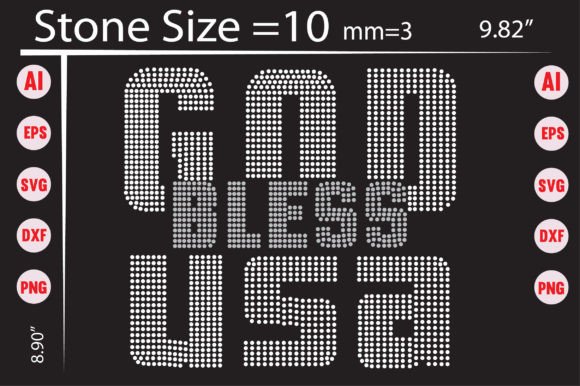
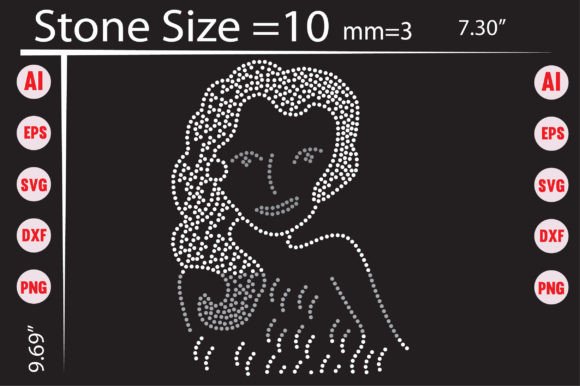
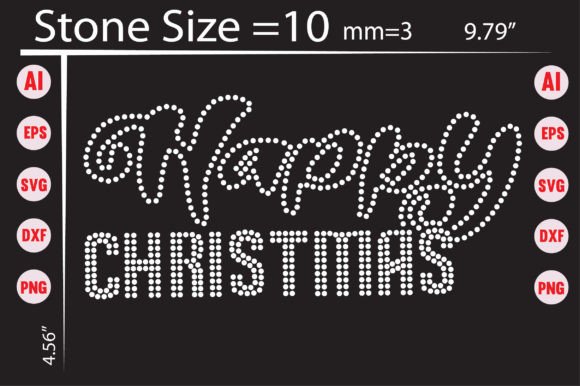
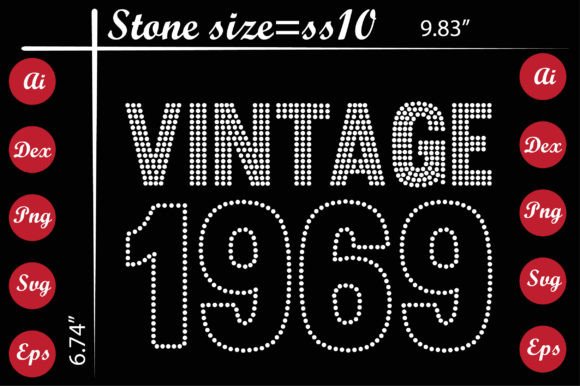
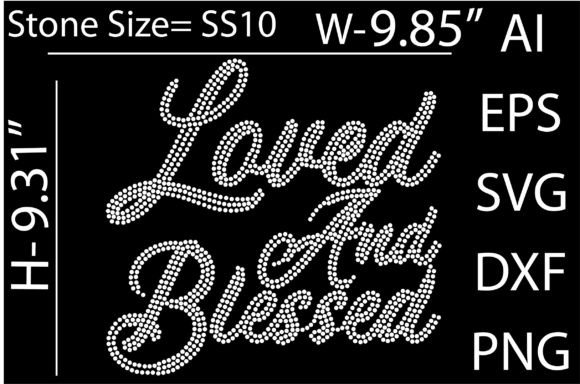
At its core, a Loved and Blessed Rhinestone Template is a digital design file formatted specifically for creating rhinestone transfers. The product is an instant download that provides a ZIP folder containing the design in multiple high-resolution file formats: AI, EPS, SVG, DXF, Transparent PNG, and JPEG, all at 300 DPI or PPI. This variety ensures compatibility with a wide range of design software and cutting machines.
The term "template" is key. Unlike a finished physical product, this is an editable digital file. Crafters and small business owners use these files to cut the design out of heat transfer vinyl or rhinestone flock, which then serves as a pattern for placing individual rhinestones. The "Loved and Blessed" theme is a popular sentiment, making these templates applicable for a variety of projects centered on encouragement, faith, and affection.
Evaluating the Potential Benefits and Tradeoffs
Choosing to work with a digital template system like this involves weighing its advantages against its inherent requirements. An objective assessment helps determine if it aligns with your project goals and operational capacity.
Potential Advantages
- Design Consistency and Precision: Using a pre-made template ensures uniformity in your rhinestone patterns. This is crucial for creating professional-looking items where symmetry and clean lines are important.
- Time Efficiency: Designing a complex rhinestone pattern from scratch requires significant time and skill in vector software. A template eliminates this step, allowing you to move directly to the production phase.
- File Versatility: The inclusion of multiple file formats is a major practical benefit. An SVG file is ideal for most modern cutting machines like Cricut or Silhouette, while AI and EPS files offer full editability for designers using Adobe Illustrator or CorelDRAW. The PNG and JPEG files can be used for mockups or printing.
- Low Initial Cost and Accessibility: As a digital download, there is no physical inventory to manage. The cost is typically a one-time purchase fee, making it an accessible entry point for hobbyists or those testing a business idea.
Key Considerations and Tradeoffs
- Required Software and Hardware: To utilize these templates effectively, you will need compatible software (such as Adobe Illustrator, CorelDRAW, or a cutting machine's design space) and, most importantly, a cutting machine capable of handling rhinestone template materials.
- Learning Curve: The process involves more than just printing. You need to learn how to cut the template material, weed the excess, apply adhesive, place hundreds or thousands of rhinestones, and finally, heat-press them onto your substrate. Each step has its own technique.
- Material Costs: The template is just the beginning. You will need to invest in rhinestones (in various sizes and colors), template material, transfer tape, and blanks (like t-shirts, mugs, or cushions).
- Time-Intensive Production: While the design phase is shortened, the production of a rhinestone project is labor-intensive. Manually placing stones is meticulous work that requires patience and a steady hand, or an investment in an automated rhinestone picker for higher volume.
Practical Decision-Making: Is This a Strong Fit for You?
Determining whether Loved and Blessed Rhinestone Templates are the right choice depends on your specific context, skills, and objectives. Consider the following scenarios.
This Solution May Be a Strong Fit If:
- You are a hobbyist or crafter who enjoys hands-on, detail-oriented projects and wants to create unique, personalized gifts or items for personal use. The process can be very rewarding.
- You run a small custom apparel or gift business and want to add a high-value, textured product line. Rhinestone designs often command a premium price due to their perceived quality and the labor involved.
- You already own a compatible cutting machine and are looking to expand its capabilities beyond standard vinyl or paper projects.
- The "Loved and Blessed" theme directly aligns with your brand or audience, such as for faith-based organizations, inspirational gift shops, or celebratory event merchandise.
Alternatives May Be Worth Considering If:
- You prioritize speed and volume over intricate detail. For high-volume production, direct-to-garment (DTG) printing or sublimation might be more efficient, even if they lack the tactile sparkle of rhinestones.
- You are uncomfortable with a multi-step, manual production process. If you prefer "press-and-go" solutions, heat transfer vinyl (HTV) designs or printed transfers would be simpler to apply.
- You need a wide variety of one-off, complex designs. While templates offer great designs, if every single order requires a completely unique custom layout, investing in rhinestone design software to create your own patterns might be more flexible in the long run.
- Your budget for initial tooling and materials is extremely limited. The cumulative cost of a cutting machine, template materials, rhinestones, and blanks can add up quickly.
Aligning the Template with Your Goals
Ultimately, Loved and Blessed Rhinestone Templates are a specialized tool within the broader crafting ecosystem. They excel at providing a polished, ready-to-use design foundation for a specific and popular niche. The decision to use them should be based on a clear understanding of the end-to-end production workflow they require.
If your goal is to create high-impact, textured custom items and you are prepared to invest the time in learning the technique and the materials, they can be an excellent resource. They remove the design barrier and allow you to focus on execution. However, if your primary needs are speed, simplicity, or ultra-custom designs from scratch, exploring other customization methods like HTV, sublimation, or screen printing may lead to a better alignment with your operational style and business model. The key is to match the tool's strengths to your project's demands and your personal or professional workflow.